


When we first reviewed Walksnail, the pitch wrote itself: DJI locked down your OSD, Walksnail didn't, and that made it the open alternative in digital FPV.
That argument no longer holds — DJI's current generation supports the same OSD freedom, which knocks out the single biggest reason we recommended Walksnail in February. So this isn't a light refresh. We've rebuilt the comparison against DJI's actual current hardware, added the four product lines Caddx has launched since, and worked out what the honest case for Walksnail is in late 2026. Short version: it's still a strong buy, but for completely different reasons than we gave you six months ago.
What's Changed Since Our Last Review
The corrections first, because they matter. Correction one: we wrote that DJI "restricts your OSD to a few standard layouts." The DJI O4 Air Unit series now supports Canvas Mode and Betaflight OSD settings — customisable layouts and data, the exact thing we credited Walksnail for owning. Correction two: we called the 1S Lite VTX "the only way to get HD video on a 65mm drone." DJI's O4 Air Unit weighs 8.2g and fits 2-inch and smaller frames, and it's showing up on 75mm whoop builds. Walksnail's 1S option is still excellent; it is no longer alone. Correction three: we listed patch antennas as included in the box. They aren't — the Patch Antenna V2 is a $25.90 add-on.
On the additions side, Caddx has been busy. New since February: the Avatar GT2 Kit ($199, adaptive 2W long-range), the entry-level Goggles L, an entire Ascent series (goggles, VRX, Lite Kit), the Protos 1.6" RTF drone, the GM3 V2 head-tracking gimbal ($130.99), and an Avatar Repeater range extender. Head tracking has become the brand's genuine flagship capability, and it's the thing the old review missed entirely.
Walksnail at a Glance
Walksnail Avatar HD Goggles X
Still the most versatile headset in FPV, and the reason to buy into this ecosystem. Dual 1920×1080 OLED panels at 100fps with 22ms average latency, a 50° FOV, and a genuinely unmatched I/O spread: HDMI input for simulators, HDMI output for spectators, and a CVBS analog input for your old fleet. Add a built-in gyro for head tracking, diopters from +2.0 to −6.0, IPD 57–72mm, and 290g on your face.
$459 goggles only · bundles from $579 with a VTX kit included
Check Goggles X Price →The DJI Question, Rewritten
This is the section that needed the most work. Our original framing — Walksnail as the open Android to DJI's walled-garden Apple — rested on OSD freedom, and that moat has been filled in. DJI's O4 Air Unit series supports Canvas Mode and Betaflight OSD, so customising your HUD layout is no longer a reason to pick a side.
What DJI now brings, at prices that sting: the O4 Air Unit at $109 (8.2g, 1/2" sensor, 4K/60, 23GB onboard storage) and the O4 Air Unit Pro at $229 (32g, 1/1.3" sensor, 4K/120fps, 10-bit D-Log M, and a racing mode down to 15ms). Reviewers testing the O4 Pro's larger sensor have found its dynamic range and shadow detail beat the Walksnail Moonlight — which means our old line about Moonlight being "currently unmatched for low-light FPV" no longer stands unchallenged either.
Which Walksnail System Should You Buy?
The catalogue has roughly doubled since February, and the naming does you no favours. Here's the honest mapping:
The Three Products Worth Your Shortlist
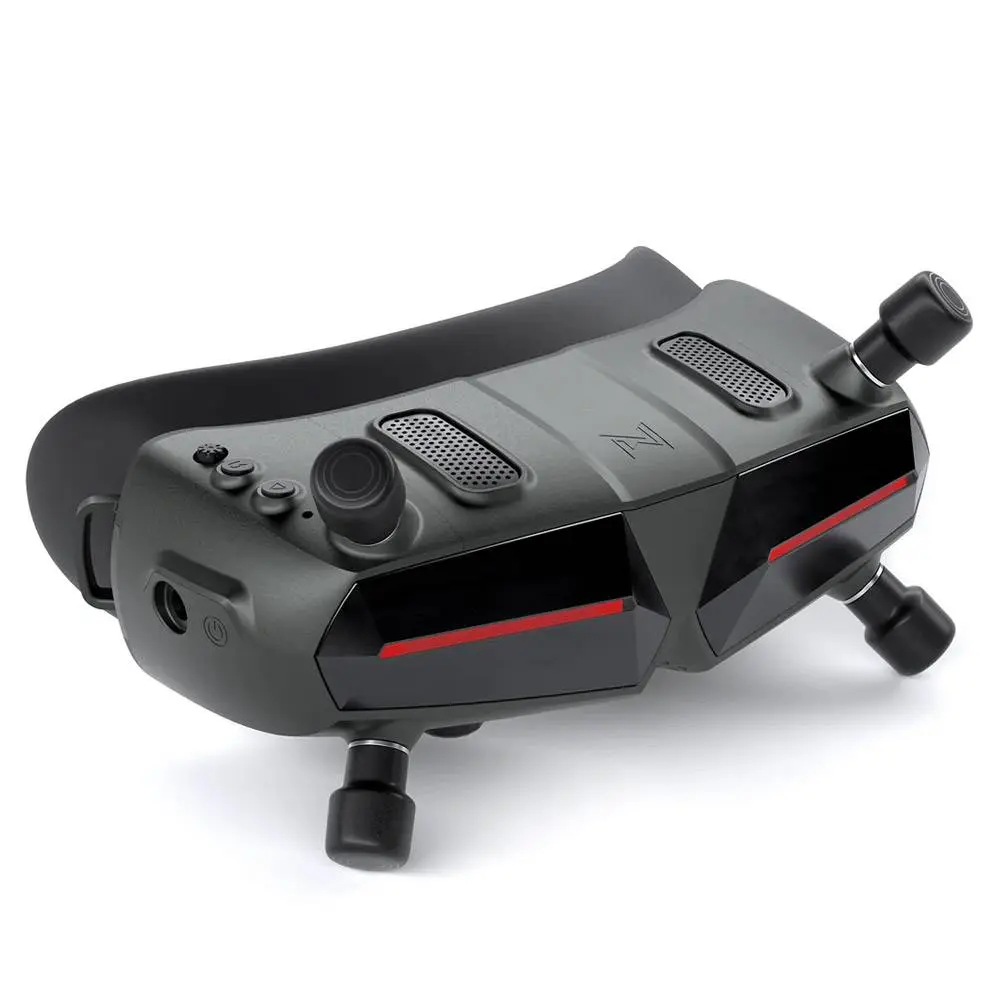
The flagship. 1080p/100fps OLED, 22ms, HDMI in/out, analog AV in, built-in gyro, replaceable lenses for astigmatism or myopia, and infrared sensing that sleeps the screens when you take them off.
View Details →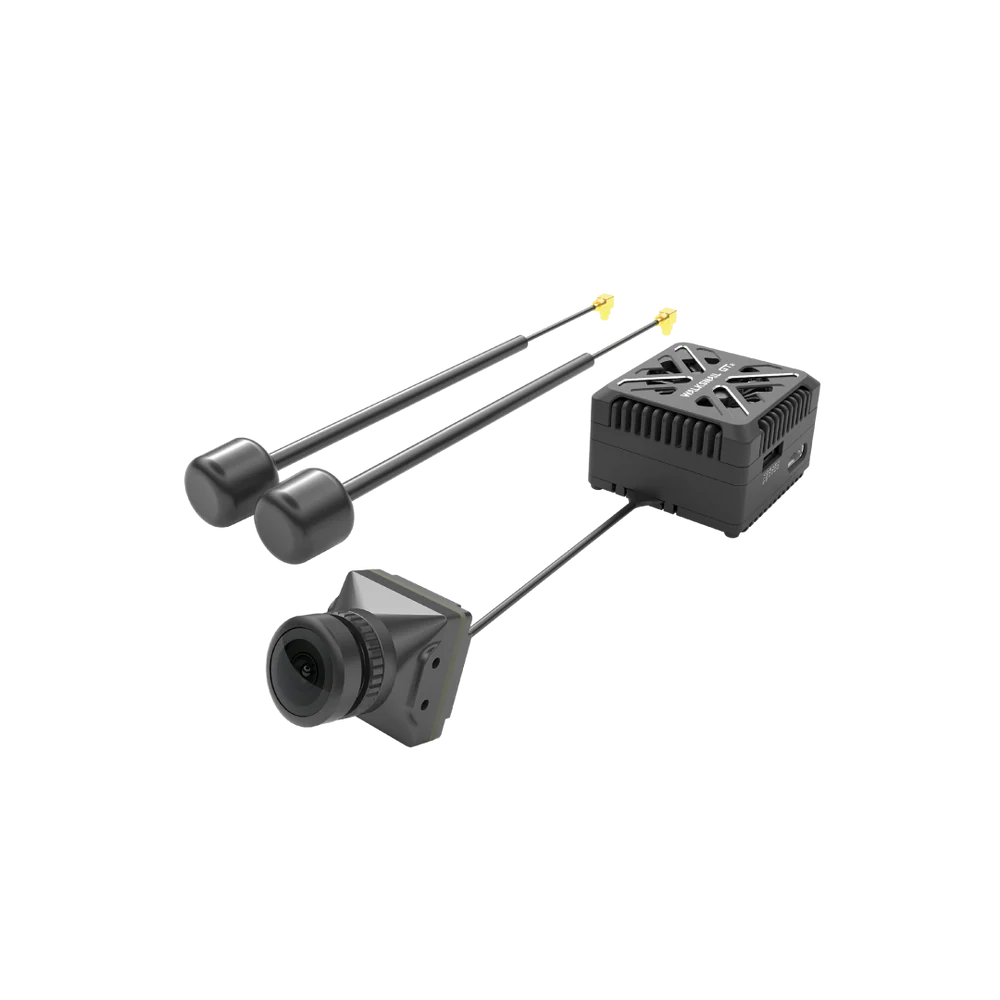
The long-range answer. Didn't exist when we last wrote. Adaptive transmission power up to 2W, aimed squarely at long-range and fixed-wing pilots who kept choosing other systems because Walksnail ran out of link before they ran out of battery.
View Details →
The night flyer. Starlight sensor with onboard 4K recording and EIS — still the reason many pilots skip strapping a GoPro to the quad. No longer the undisputed low-light king now that DJI's O4 Pro exists, but a far cheaper route to the capability.
View Details →What the Feed Actually Looks Like
Spec sheets don't convey what 1080p/100fps through OLED looks like at speed, or how gracefully the link degrades when it does break up.
Head Tracking: The Feature We Missed
This is Walksnail's most interesting development and it got no mention in our original review. The Goggles X carry a built-in gyro that senses where you turn your head; pair that with the GM3 V2 gimbal and the camera physically follows your gaze. Look left in the goggles, the camera looks left. For fixed-wing, cinematic work and FPV ground vehicles, it changes what the platform is for.
The catch worth stating plainly: the goggles alone don't give you head tracking. The gyro needs a gimbal to drive, and the GM3 V2 is $130.99 on its own. Caddx prices the bundles to reflect that — Goggles X with a Pro Kit and GM3 V2 is $719, versus roughly $750 buying the same three pieces separately. Not a huge saving, but the bundle is never the wrong choice here.
It's also worth noting how far outside drones this has travelled: Caddx now sponsors an FPV RC car racing league, and Walksnail gear has turned up on competition robots and amateur rocketry. If you've been eyeing an RC platform like the Rlaarlo cars we reviewed, a Moonlight or GM3 setup converts it into something genuinely immersive.
The Bundle Ladder (Where the Value Is)
Buying à la carte is almost always the wrong move here. Verified current pricing:
| Bundle | Price | Who It's For |
|---|---|---|
| Goggles X only | $459 | You already own Walksnail VTXs |
| Goggles X + Pro Kit | $579 | The sensible starting point |
| Goggles X + Moonlight Kit | $599 | Night flying and onboard 4K |
| Goggles X + Pro Kit (dual) + GM3 V2 | $719 | Head tracking on a budget |
| Goggles X + Moonlight + GM3 V2 | $729 | The complete cinematic rig |
| Goggles X + Gofilm 20 | $829 | Goggles and a flying drone, done |
What's Not in the Box
Range and Latency: The Honest Numbers
Caddx's marketing quotes up to 10km transmission for the Goggles X, with the caveat "depends on the flight environment." The formal spec table on the same page says >4km. Both are true in the way marketing numbers usually are: the big figure is a clean-air best case, the spec figure is what you can plan around. Our original field testing put comfortable open-field range at 1–2km with stock antennas, and nothing we've seen changes that as a realistic freestyle expectation. Upgrade the antennas or move to the GT2 kit if distance is the point.
Latency sits at 22ms average, which is genuinely indistinguishable from instant for freestyle and cruising. It's worth being straight that DJI's O4 racing mode claims 15ms and HDZero remains far lower still — if you race competitively at a level where that matters, you already know it does. For everyone else, 22ms is not the thing holding your flying back.
Walksnail vs DJI O4 vs HDZero
| Factor | Walksnail Avatar | DJI O4 Series | HDZero |
|---|---|---|---|
| Air unit price | $139 – $199 | $109 – $229 | Varies |
| Latency | ~22ms | 20ms / 15ms racing | Lowest in class |
| Betaflight OSD | Full canvas | Full canvas (new) | Full canvas |
| Analog input on goggles | Yes (AV in) | No | Varies by model |
| HDMI in / out | Both | Limited | Limited |
| Head tracking gimbal | GM3 V2, first-party | Not for custom builds | No |
| Onboard image quality | Good (Moonlight 4K) | Best (O4 Pro sensor) | 720p, race-focused |
Read the rows honestly and the picture is clear: DJI now wins on image quality and latency, HDZero still owns racing, and Walksnail wins on everything to do with flexibility. That's a narrower win than we described in February, but it's a real one — and for a pilot with a mixed fleet or an interest in head tracking, it's the one that decides the purchase.
Performance Breakdown
Walksnail Ratings (2026 Update)
Accessories You'll Actually Want
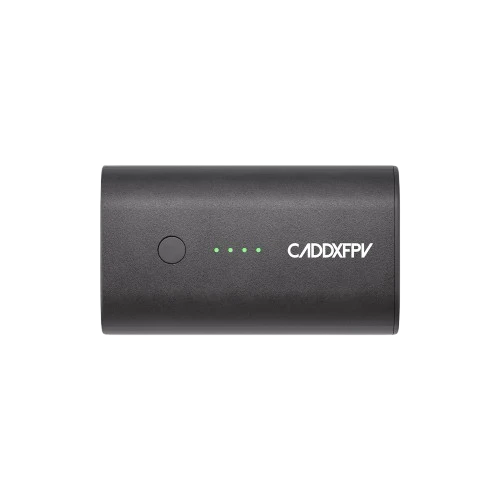
Goggles Battery
Not included with the goggles, and you can't fly without power. The single most necessary add-on in the store — put it in the first order.
View →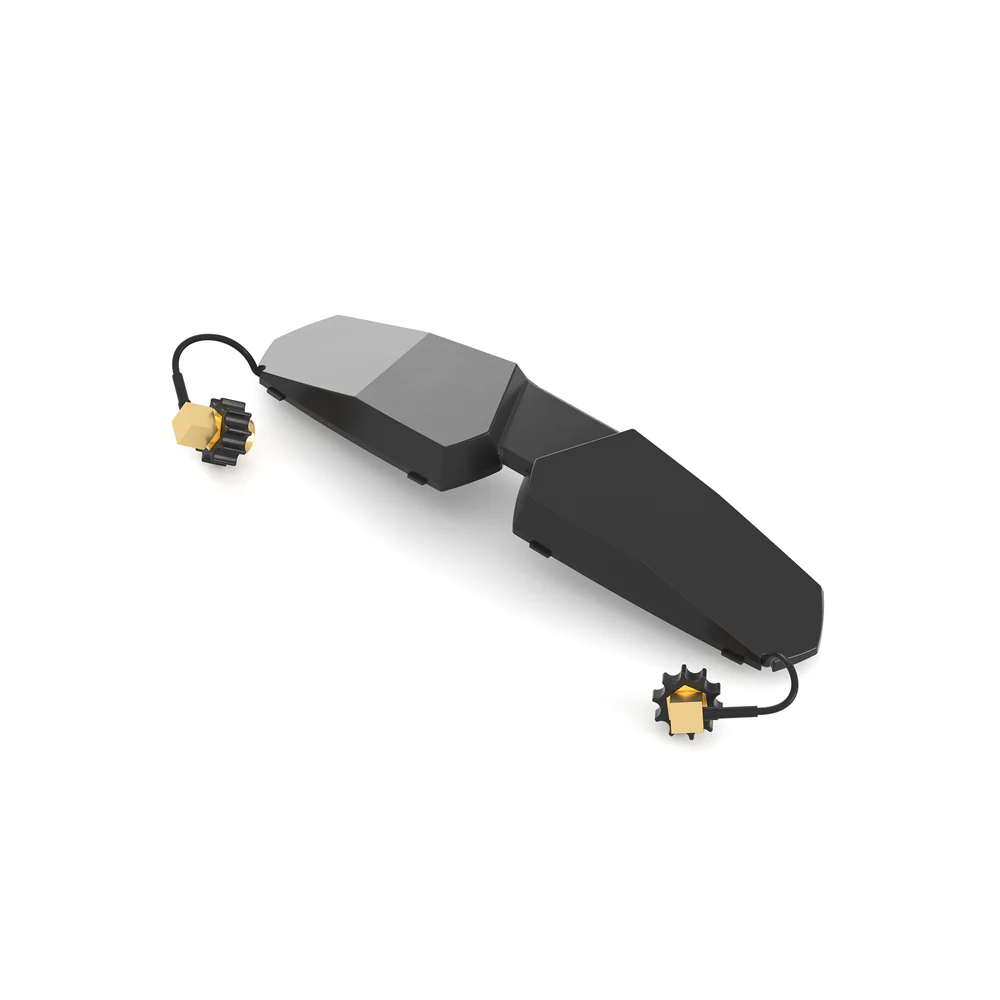
Patch Antenna V2
The directional upgrade our old review wrongly listed as included. Meaningfully better link on long straight lines and range-focused flying.
View →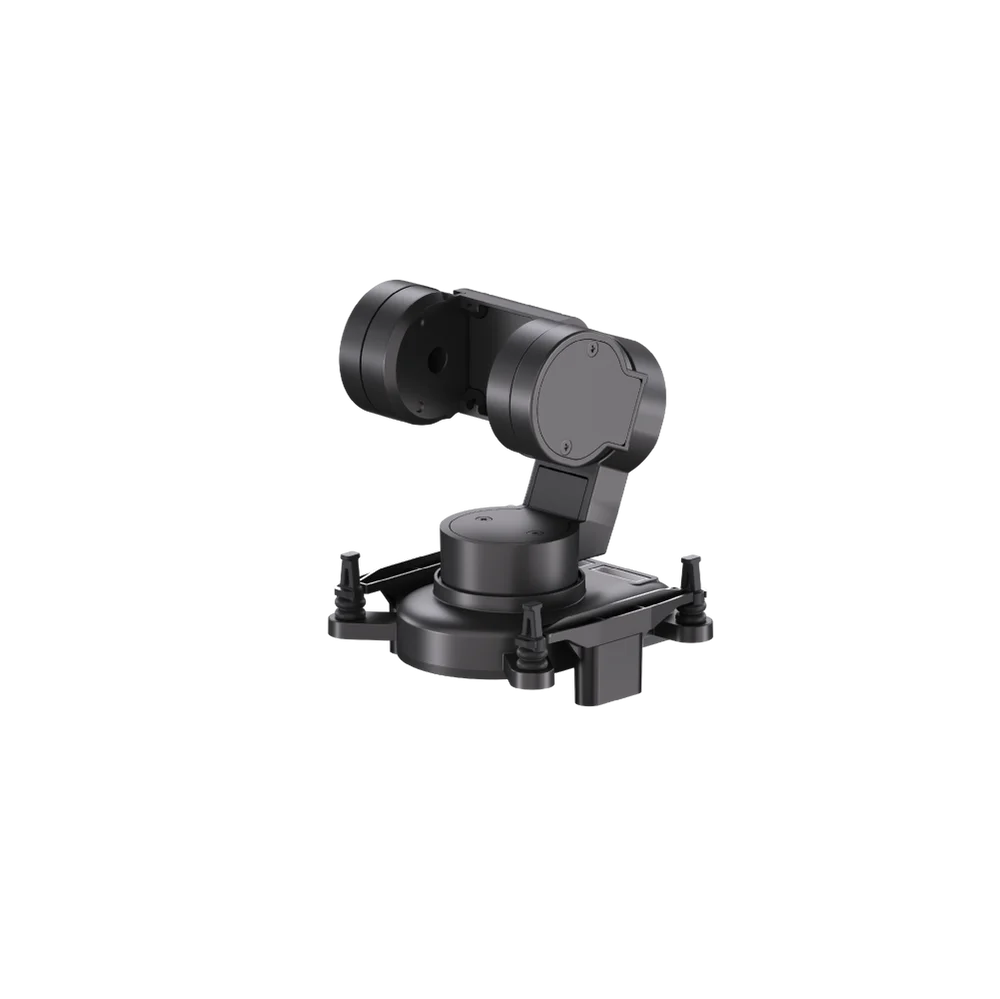
GM3 V2 Gimbal
Three-axis stabilisation plus the head tracking the goggles' gyro is waiting for. Cheaper inside a goggles bundle than bought alone.
View →Who Should Buy Walksnail?
- The pilot with a mixed fleet: analog AV input means one headset flies your old quads and your new ones. Nothing DJI sells does this.
- The head-tracking curious: Goggles X plus GM3 V2 is the only first-party path to gaze-following camera control on a custom build.
- The sim practiser: HDMI input puts VelociDrone or Liftoff straight into the goggles — genuinely useful on a rainy weekend.
- The FPV ground crew: RC cars, robots, fixed wing. If you're kitting out for field days, our Wattcycle battery review covers charging away from mains, and Tomtoc cases keep the goggles from rattling around a rucksack.
Who should skip it: pure 5-inch freestyle pilots chasing the best possible onboard footage (DJI's O4 Pro sensor wins), competitive racers who need every millisecond (HDZero), and anyone who wants a system with four products instead of forty. If you're comparing headsets more broadly, our Skyzone review covers the other serious alternative in this bracket.
Pros & Cons
- Analog AV in — one headset for both eras.
- HDMI in and out; sims and spectator feeds.
- First-party head tracking via GM3 V2.
- Ladder from 1S whoops to 2W long range.
- 30-day money back, free shipping over $299.
- DJI has erased the OSD advantage entirely.
- O4 Pro beats Moonlight on sensor quality.
- No battery or patch antenna in the box.
- Lineup is now genuinely hard to navigate.
- Goggles X ship within 5 working days, not instantly.
How to Buy Walksnail Cheaper
Three levers. Bundle, always — a goggles-plus-kit bundle beats separate purchases every time, and the three-piece head-tracking bundles save more still. Cross the $299 free-shipping line in one order rather than two, which most goggles buyers do automatically. And join the membership programme before checkout; Caddx runs a points/credits scheme plus a referral programme paying up to 8%, which is worth two minutes if you're spending $600+. Flexible payment is offered at checkout if you'd rather split it.
👉 Rlaarlo RC Review: the ground platform to bolt a Moonlight kit onto.
👉 Autel Robotics Review: when you want cinematic over immersive.
👉 FNIRSI Review: the soldering gear every FPV build eventually needs.
Frequently Asked Questions
Does DJI still restrict the OSD compared to Walksnail?
No, and this is the biggest change in digital FPV since our original review. The DJI O4 Air Unit series now supports Canvas Mode and Betaflight OSD settings, letting you customise the layout and data shown in your goggles. Full OSD freedom used to be Walksnail's headline advantage; it's now table stakes, and the case for Walksnail rests on ecosystem breadth, price ladder, head tracking and analog compatibility instead.
Goggles X or Goggles L: which should I buy?
Goggles X at $459 uses dual 1080p OLED displays, a 50° FOV, HDMI in and out and an analog AV input — the choice for one headset covering everything. Goggles L is the single-screen entry-level option with a 4.5" 1080p display and head tracking support, aimed at pilots moving into digital for the first time who don't need HDMI or analog inputs.
What is the Walksnail Avatar GT2 Kit for?
The GT2 Kit at $199 is Walksnail's long-range system, using adaptive transmission power up to 2W to hold a link far beyond what the standard kits manage. It targets long-range and fixed-wing pilots rather than freestyle — if you fly parks and bandos, the Kit V2 at $139 or the Pro Kit at $159 is the better spend.
Do I need the GM3 V2 gimbal for head tracking?
The goggles contain the gyro that senses head movement, but something has to physically move the camera — that's the GM3 V2 at $130.99. Without it, the gyro data has nothing to drive. Buying goggles and gimbal together in a bundle is cheaper than buying them separately.
Can I fly analog quads with Walksnail Goggles X?
Yes. The Goggles X include a CVBS analog input, so an external analog receiver module lets you fly an older fleet through the same headset. This remains a genuine advantage over DJI goggles and is one of the strongest reasons to choose Goggles X if you still own analog aircraft.
What actually comes in the Goggles X box?
The goggles, one wide PU foam faceplate, a storage box, an XT60-to-DC power cable and a lens cleaning cloth. Note what isn't included: no battery, and no upgraded patch antenna. The Patch Antenna V2 is around $26 and a goggles battery around $23, so budget roughly $50 on top of the headset price to actually fly.
Final Score: 9.0/10
Walksnail keeps its score, but not its old argument. DJI closed the OSD gap and pulled ahead on sensor quality, so the "open alternative" framing we used in February no longer describes the market. What's left is still compelling and arguably more durable: the only goggles that take digital, analog and HDMI at once, first-party head tracking, and a product ladder that runs from a 65mm whoop to a 2W long-range rig. Buy it for the breadth. Just don't buy it for a moat that isn't there anymore.
Shop CaddxFPV Deals →