


The 3D printing world has fundamentally changed over the last two years. The days of spending a weekend assembling a bed-slinger and fighting to get the first layer to stick are over.
While Bambu Lab currently dominates the "turn-key" consumer market, QIDI Tech has quietly cornered a completely different segment: the prosumer engineer. QIDI builds heavy, fully enclosed CoreXY machines that specialize in printing difficult, high-temperature materials like Carbon Fiber Nylon and ABS. But is their proprietary active heating system actually worth passing over the competition? We put their latest machines on the workbench to find out.
Quick Summary
The QIDI Tech Q1 Pro
This machine is an absolute tank. It arrives fully assembled, levels itself automatically, and prints at blistering 600mm/s speeds. But the true superpower is the built-in active ceramic chamber heater. It turns the enclosure into an oven, ensuring large ABS and Polycarbonate prints finish perfectly without warping or splitting down the layers.
Check Q1 Pro Pricing →Top Printers to Buy
QIDI’s lineup is strictly focused on enclosed CoreXY machines. Here are the three best options depending on your project size.
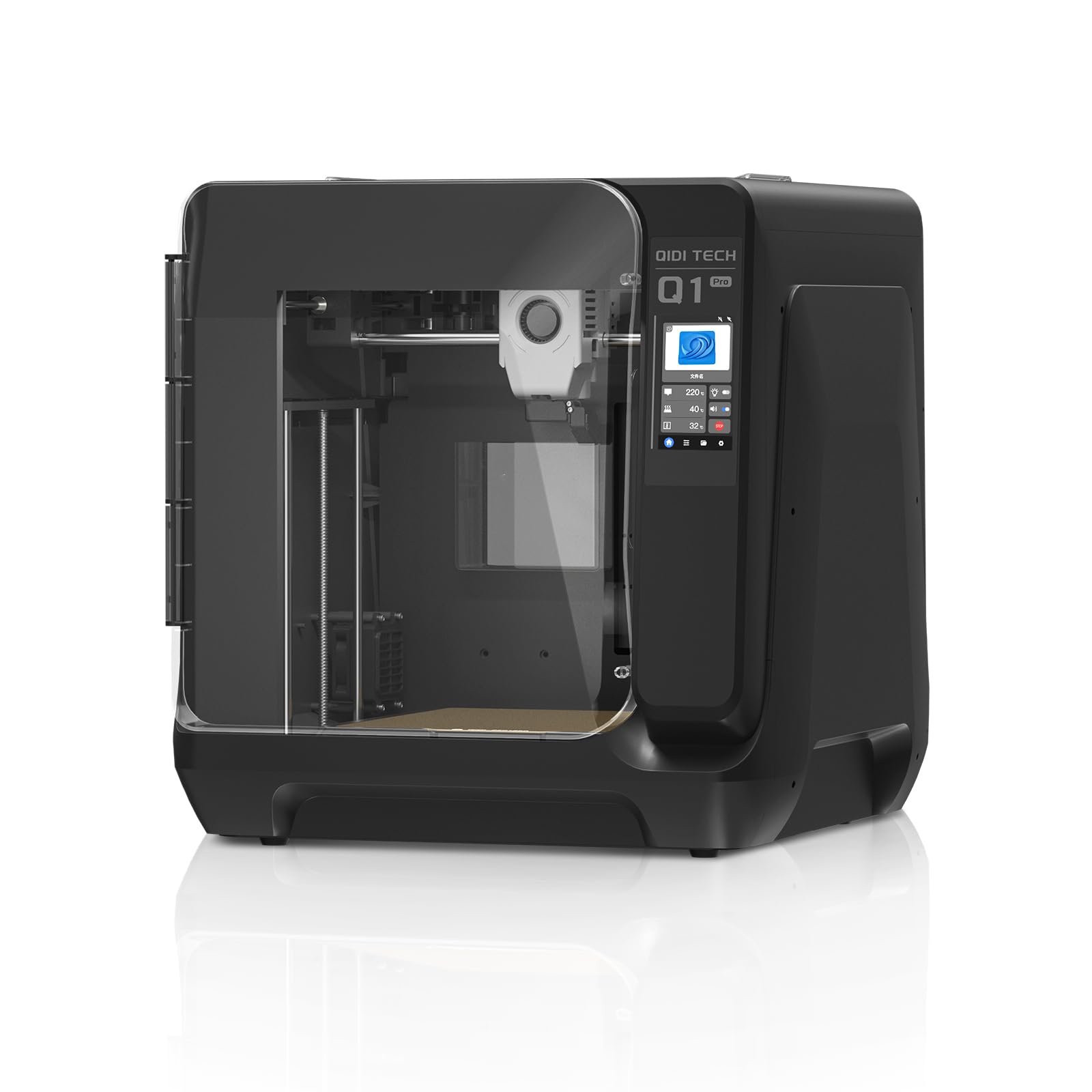
The Main Event. Features a 245x245x245mm build volume, dual Z-axis motors, and a 60°C active heater. It is the perfect size for 95% of makers and handles high-temp filaments effortlessly.
View Details →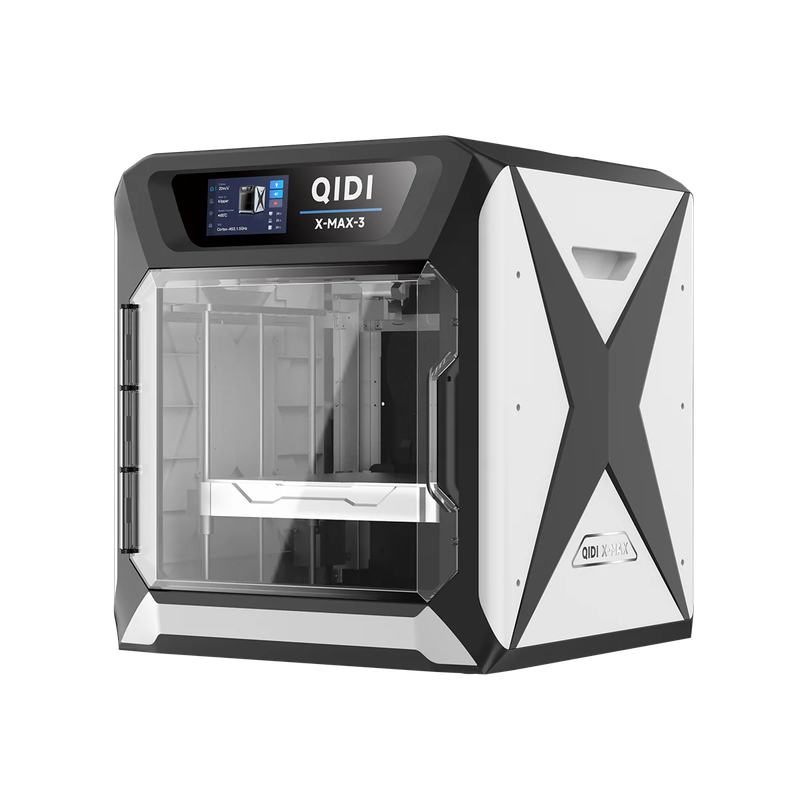
For Massive Prints. Offers a colossal 325x325x315mm build volume. If you are printing full-size cosplay helmets or large structural car parts, this is the beast you need.
View Details →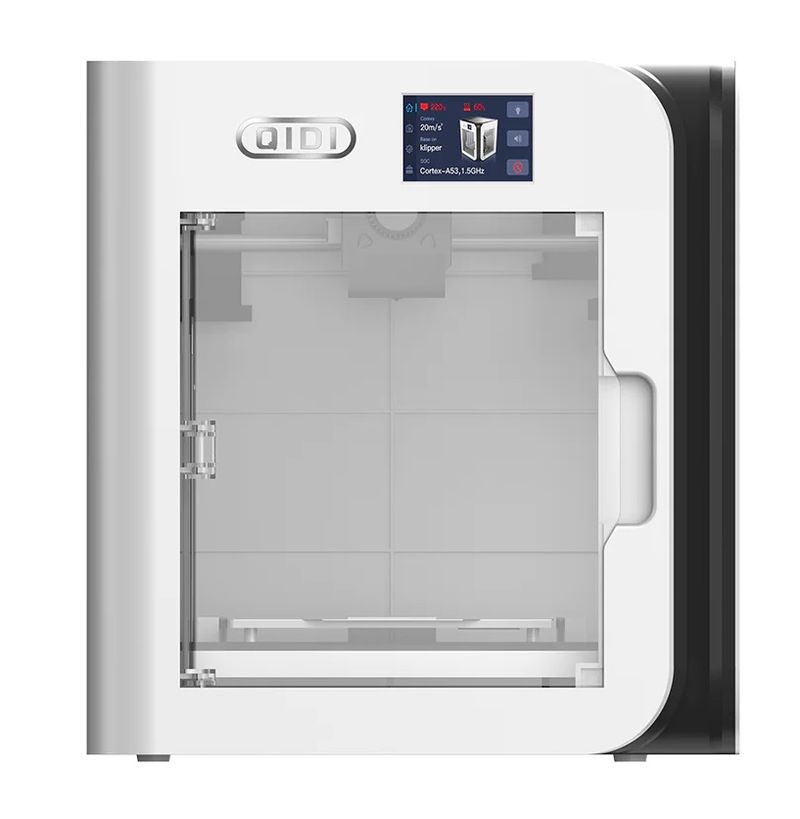
The Entry Level. A smaller 175x180x170mm volume without the active heating chamber, but it still runs Klipper firmware and prints blazing fast inside an enclosure.
View Details →Essential Printing Accessories
If you are printing advanced materials, you cannot rely on the printer alone. These add-ons are mandatory for clean prints.
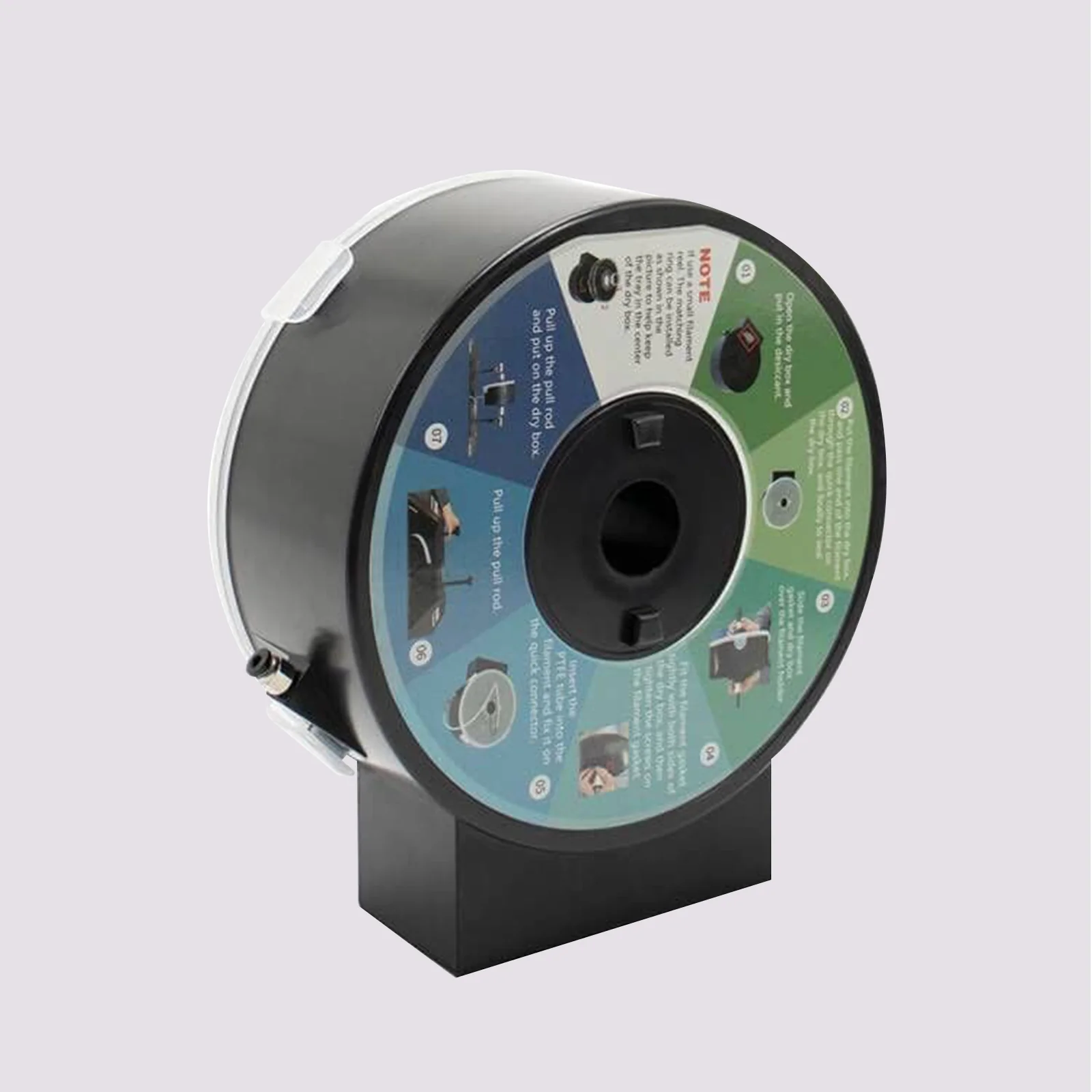
Active Filament Dryer
Nylon and PC absorb moisture from the air instantly. You must dry your filament while it prints to prevent bubbling.
Add to Cart →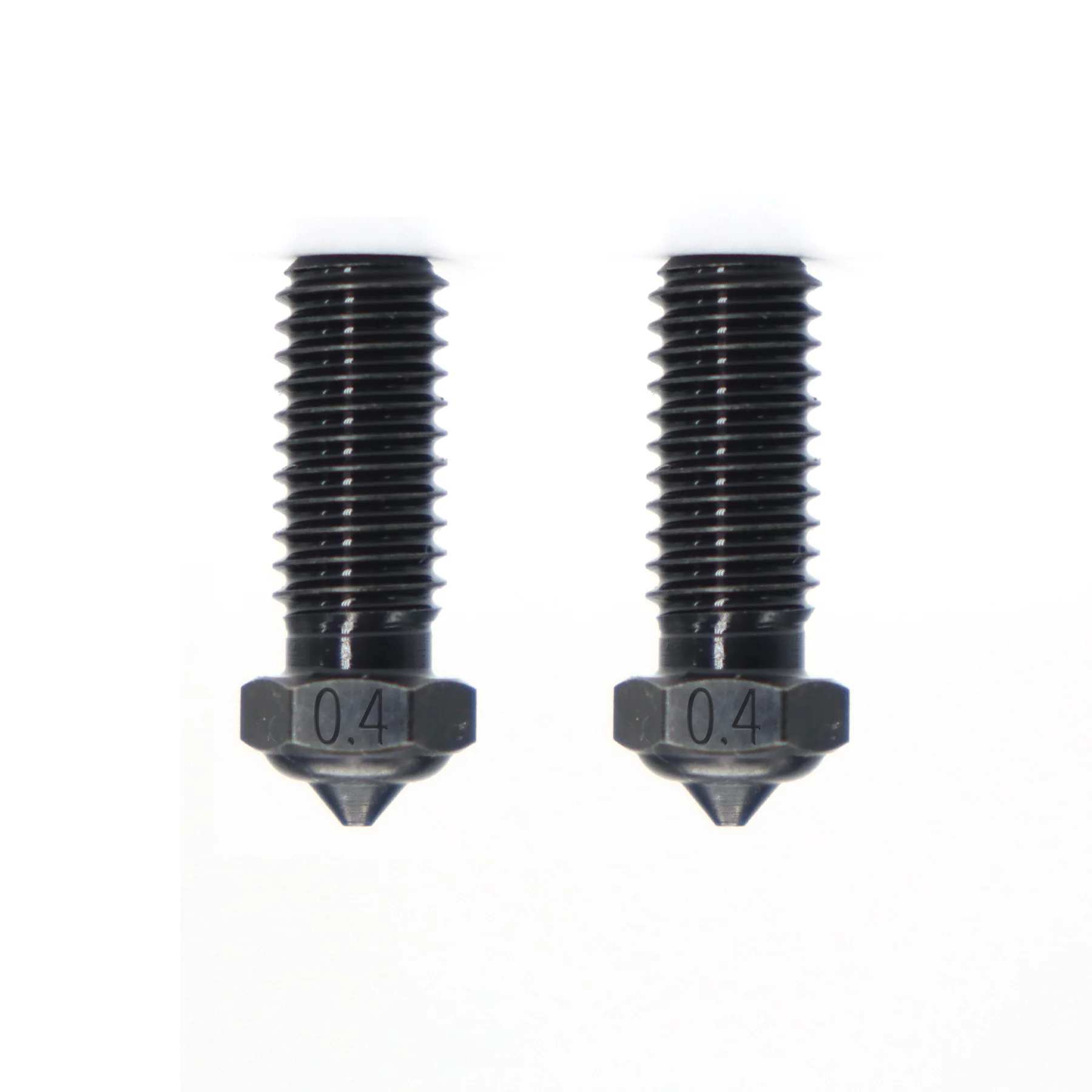
Hardened Steel Nozzle
Printing Carbon Fiber will destroy a standard brass nozzle in hours. Upgrade to hardened steel immediately.
Add to Cart →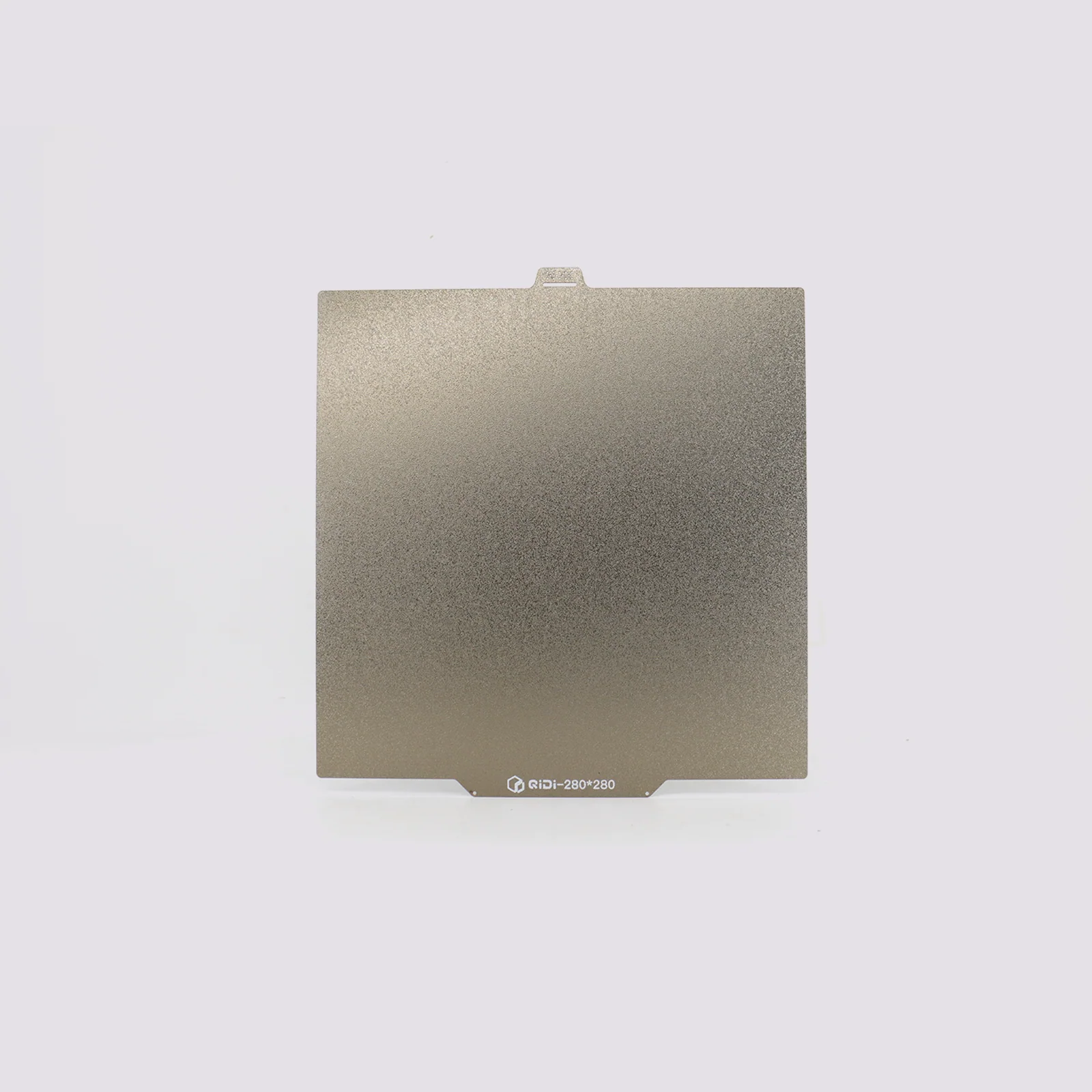
Textured PEI Plate
Provides the perfect amount of "bite" to hold down warping ABS models, while releasing them easily once cooled.
Add to Cart →The Game Changer: Active Chamber Heating
Most "enclosed" 3D printers just use the heat radiating off the build plate to warm the inside air. This works decently for small prints, but fails on large objects.
QIDI's Pro line features a dedicated PTC ceramic heater built into the back of the chamber. You can set the ambient air temperature to a constant 60°C. This prevents the top layers of an ABS or Nylon print from cooling faster than the bottom layers, which completely eliminates the warping and layer-splitting that plagues standard printers.
Unboxing: Ready to Work
Specs That Matter (Q1 Pro)
- Max Print Speed: 600 mm/s (With input shaping to reduce vibrations).
- Hotend Temperature: Up to 350°C (Hot enough for virtually any consumer material).
- Firmware: Klipper (Open source and highly customizable).
- Bed Leveling: Fully automatic dual-sensor system.
Performance Breakdown
QIDI Q1 Pro Ratings
Slicing Software: The Tinkerer's Dream
Hardware is only half the battle; the "Slicer" software dictates how the printer actually behaves.
QIDI provides their own customized slicer, but because the machine runs pure Klipper firmware, it is entirely unlocked. Just like bypassing theme restrictions to stretch a background container full-width with custom CSS or PHP, dialing in your exact retraction speeds and cooling fan curves gives you absolute, granular control over the structural integrity of your final print.
👉 3D print replacement parts for your intricate Nikola engine models.
What Can It Actually Print?
If you only ever plan to print little plastic dragons out of basic PLA, this machine is massive overkill.
Where QIDI shines is functional parts. It prints ABS, ASA, Polycarbonate (PC), and Carbon Fiber Nylon (PA12-CF) with incredible reliability. If you need to print a drone frame, a structural bracket for your car, or gears that can withstand intense friction, this is the ecosystem you need.
Living With The Printer
QIDI Q1 Pro vs. Bambu Lab P1S
| Feature | QIDI Q1 Pro | Bambu Lab P1S |
|---|---|---|
| Chamber Heater | Yes (Active 60°C) | No (Passive only) |
| Firmware | Open Source Klipper | Closed / Proprietary |
| Multi-Color | No AMS system | Yes (Up to 4 colors) |
| Best For | Engineering / ABS | Aesthetic PLA prints |
Who Should Buy This?
- The Engineer/Maker: If you design functional parts that need to withstand heat, stress, or impact, QIDI is your best tool.
- The Open-Source Fanatic: Klipper access means you can modify the printer, add custom macros, and avoid getting locked into a walled garden.
- NOT for Miniatures: If you want to print highly detailed D&D miniatures, buy a resin printer instead.
Pros & Cons
- Active chamber heating eliminates ABS warping.
- Arrives fully assembled and ready to print.
- Open-source Klipper software gives you full control.
- Incredible value compared to industrial machines.
- No multi-color/multi-material system available.
- The cooling fans are exceptionally loud.
- The included USB drive is often cheap and prone to failure.
Shipping & Customer Support
QIDI has built a surprisingly strong reputation for customer service on Reddit and Discord. While they operate out of China (meaning timezone delays when emailing), they are known to quickly ship replacement parts for free if a motor or sensor fails within the warranty period.
Frequently Asked Questions
Is QIDI better than Bambu Lab?
It depends on what you print. Bambu Lab excels at multi-color PLA printing. QIDI excels at printing high-temp engineering materials like ABS, PC, and Nylon because of its built-in active chamber heater, which Bambu lacks.
What is Active Chamber Heating?
Instead of relying on the heated build plate to warm the enclosure, QIDI printers have a dedicated ceramic heater in the chamber. This prevents materials from warping or splitting as they cool.
Do QIDI printers run Klipper?
Yes. The current generation of QIDI printers runs open-source Klipper firmware natively, allowing for extremely fast print speeds (up to 600mm/s) and resonance compensation.
Can it print carbon fiber?
Yes. Models like the X-Max 3 and Q1 Pro come with hardened steel nozzles that can withstand abrasive filaments like PA12-CF (Carbon Fiber Nylon) right out of the box.
Does it need to be assembled?
No. Most QIDI enclosed printers arrive fully assembled. You only need to remove the shipping foam, clip on the screen, and run the automated bed leveling process.
What slicing software does it use?
QIDI provides its own slicer (QIDI Slicer), which is a customized fork of PrusaSlicer. You can also easily set up profiles in OrcaSlicer if you prefer.
How loud is the printer?
Because they are fully enclosed, the mechanical noise is muffled. However, the cooling fans and active chamber heater can be quite loud. It is best suited for a workshop or dedicated office, not a bedroom.
Final Score: 9.3/10
If you just want to print colorful toys, look elsewhere. But if you are an engineer or tinkerer who needs structurally sound, heat-resistant parts made from ABS or Nylon, the QIDI Tech Q1 Pro offers industrial-level active heating at a consumer price point. It is a workhorse.
Shop QIDI Printers →