

Good sound used to be expensive. Five years ago, if you wanted a "thocky" mechanical keyboard that didn't sound like a cheap typewriter, you had to spend $400 on a custom kit, lubricate 80 switches by hand, and wait six months for a Group Buy.
Then Epomaker arrived. They flooded the market with keyboards that came pre-lubed, pre-foamed, and gasket-mounted—all for under $100.
They promise the "Custom Keyboard Experience" out of the box. But can a mass-produced plastic board really compete with a custom aluminum one? We bought their flagship RT100 and TH80 Pro to find out.
Quick Summary
The Final Verdict
Epomaker is currently unbeatable for value. While brands like Keychron offer "professional" looks, Epomaker offers "enthusiast" sound. Their stabilizers are surprisingly good, and their proprietary switches (like the Sea Salt Silent or Wisteria) are smoother than standard Cherry MX switches. If you want a fun, thocky keyboard without the work, buy an Epomaker.
Check Official Store Deals →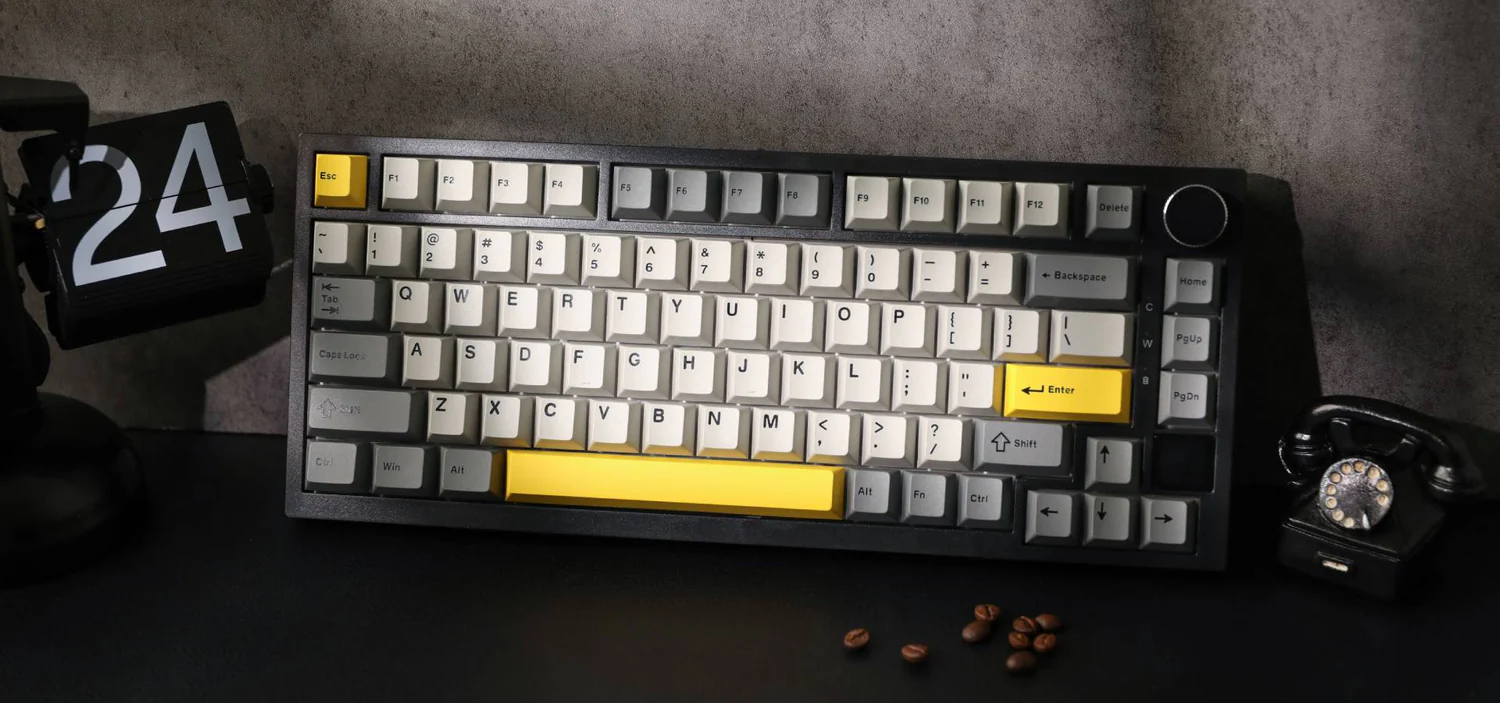
Why Do They Sound So Good?
Epomaker uses a specific formula to achieve that deep, satisfying "thock" sound:
- Gasket Mounting: The plate isn't screwed into the case; it sits on soft foam gaskets. This provides a softer typing feel and absorbs hollow vibrations.
- Poron Foam: They stuff the case with high-quality sound dampening foam, killing the "ping" noise found in Corsair or Razer boards.
- Pre-Lubed Switches: The switches come from the factory with lubricant already applied, making them smooth instantly.
The "Steal Picks" (Top 3 Models)
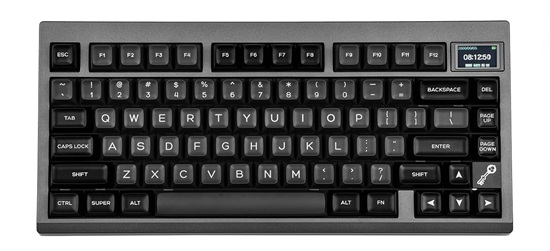
TH80 Pro V2
$89 - $99The 75% layout king. Features a programmable metal knob and south-facing RGB.
Check Price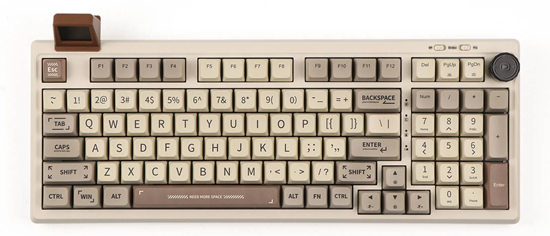
RT100 (95%)
$105 - $119Famous for its detachable "Mini TV" screen. Retro styling with modern gasket mount.
Check Price
Epomaker x Aula F75
$65 - $75The best value board of 2026. Insane sound quality for the price.
Check PriceWhich Switch Should You Choose?
Epomaker offers confusing switch names. Here is a simple translation:
What's With The Screen? (RT100)
The RT100 comes with a detachable smart mini-display. Is it a gimmick? Mostly, yes. But it's a cool gimmick.
The Weak Point: Software
Epomaker vs. The Competition
| Feature | Epomaker TH80 Pro | Keychron V1 | Akko 5075B |
|---|---|---|---|
| Price | $89 | $84 | $109 |
| Connectivity | Tri-Mode (Wireless) | Wired Only (Usually) | Tri-Mode |
| Battery | 4000mAh (Huge) | N/A | 3000mAh |
| Sound Profile | Deep / Thocky | Neutral | Clacky / Bright |
Pros & Cons
- Incredible sound quality (stabilizers don't rattle).
- Tri-mode connectivity (Bluetooth + 2.4G) is standard.
- Hot-swappable sockets support 3/5 pin switches.
- Massive 4000mAh batteries last weeks.
- Software (Epomaker Driver) is clunky.
- Plastic cases can feel less premium than aluminum.
- Wireless wake-up can sometimes take 2-3 seconds.
Frequently Asked Questions
Are they hot-swappable?
Yes. Almost every modern Epomaker keyboard (TH80, RT100, F75) features full hot-swap sockets, meaning you can pull out the switches and replace them with Cherry, Gateron, or Kailh switches without soldering.
Do they work with Mac?
Yes. The TH80 Pro and most others have a physical toggle switch on the back for "Mac/Win." They also include replacement Mac keycaps (Command/Option) in the box.
Is the latency good for gaming?
In wired mode (USB-C) and 2.4GHz wireless mode, the latency is negligible and excellent for gaming. We do not recommend using Bluetooth for competitive shooters like CS2 or Valorant.
Final Verdict
If you want a keyboard that sounds amazing right out of the box and don't want to spend time lubing switches, Epomaker is the answer.
The TH80 Pro remains the best "safe" choice for most people, but if you want that retro aesthetic and the cool screen, the RT100 is a conversation starter.